Why So Many Tradies Struggle With Back Pain
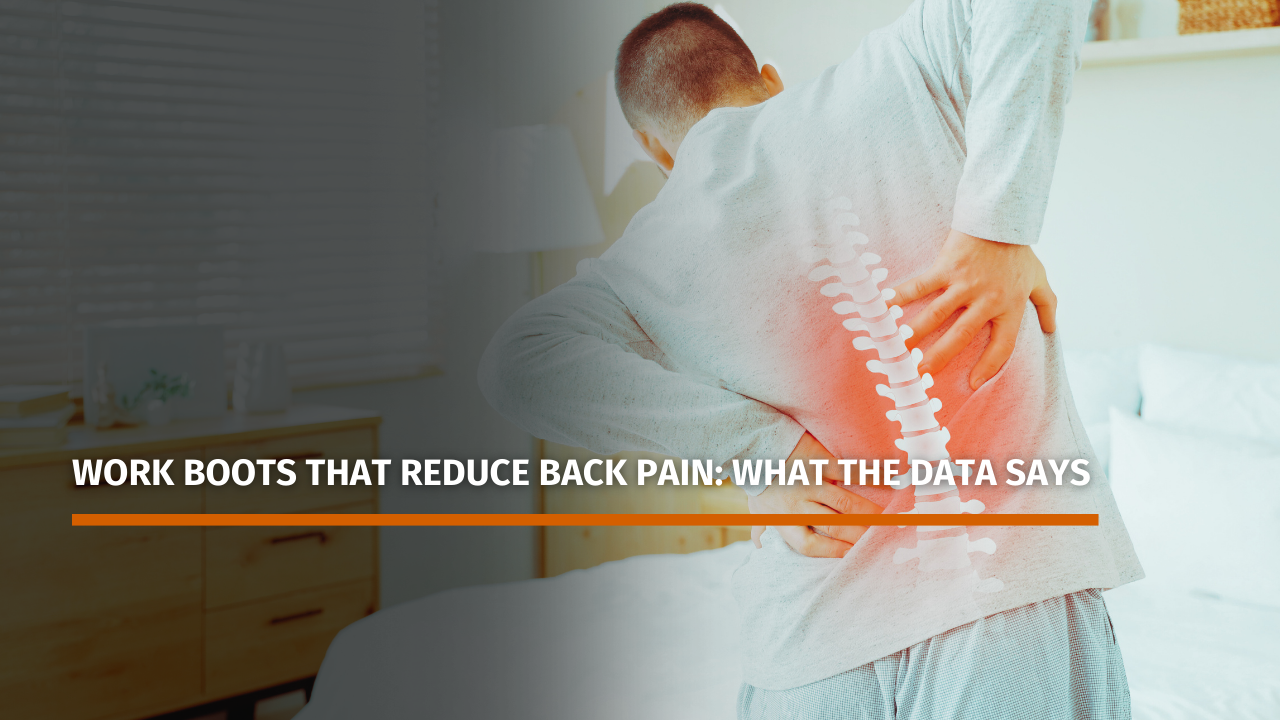
Back pain is one of the most common complaints among Australian tradies. Long shifts on concrete, heavy lifting, ladders, and uneven ground all put serious pressure on the body. Many workers blame the job itself. However, research and workplace safety studies consistently point to a major contributor that is often ignored: the wrong footwear.
Your work boots sit at the foundation of your body’s alignment. Poor cushioning, worn soles, and weak support force your joints to absorb more impact with every step. Over time this pressure travels from your feet to your knees, hips, and lower back.
How Work Boots Affect Back Health

Data from occupational health studies shows that proper footwear significantly reduces fatigue and musculoskeletal strain during long shifts. Boots designed with shock absorption and structured support distribute pressure more evenly across the foot.
When boots lack support, the body compensates. This often leads to:
- Lower back stiffness
- Hip strain
- Knee pressure
- Foot fatigue and heel pain
- Poor posture throughout the workday
Simply put, the wrong boots amplify every step you take.
Key Features That Help Reduce Back Pain
Shock Absorbing Soles
Concrete and steel surfaces provide no natural cushioning. Work boots with shock absorbing midsoles reduce the impact force that travels up your legs.
Proper Arch Support
Supportive footbeds stabilise your stride and prevent the foot from collapsing inward. This helps maintain natural alignment through the knees and spine.
Balanced Heel Support
A well designed heel structure spreads pressure evenly and prevents excessive heel strike, which is a major contributor to back discomfort.
Flexible Sole Construction
Boots that move naturally with your foot allow for smoother walking motion across uneven job sites.
Work Boots Tradies Trust for Long Shifts

Several styles consistently perform well for workers dealing with long hours on hard ground. These boots combine cushioning, support, and durability.
- FXD WB-7 Evo-1 Safety Boot – Lightweight construction with strong shock absorption for demanding worksites.
- Steel Blue Parkes Zip Boot – Known for its comfort system and supportive footbed for extended wear.
- Mongrel K91030 Elastic Sided Boot – Reliable support with a simple slip-on design.
- Blundstone 600 – Durable elastic sided boot offering stability and everyday comfort.
You can explore these and other supportive options here:
Browse All Work Boots at Work Boots Direct
When It Is Time to Replace Your Boots
Even the best work boots lose their ability to absorb shock over time. If you notice these signs, your boots may be contributing to back strain:
- Flattened soles
- Uneven tread wear
- Reduced cushioning
- Increased foot or heel soreness
Many tradies replace their boots every 9 to 12 months depending on job intensity.
The Bottom Line
Back pain on site is not always unavoidable. The right work boots can dramatically reduce daily strain and fatigue. Investing in supportive footwear protects more than just your feet. It protects your entire body through every shift.
If your current boots leave you sore by the end of the day, it may be time for an upgrade.
Explore supportive work boots built for Australian tradies at Work Boots Direct.